Home Design
7 Biophilic Design Principles for Your Home
January 14, 2026
5 minutes
A Deeper Connection to Nature
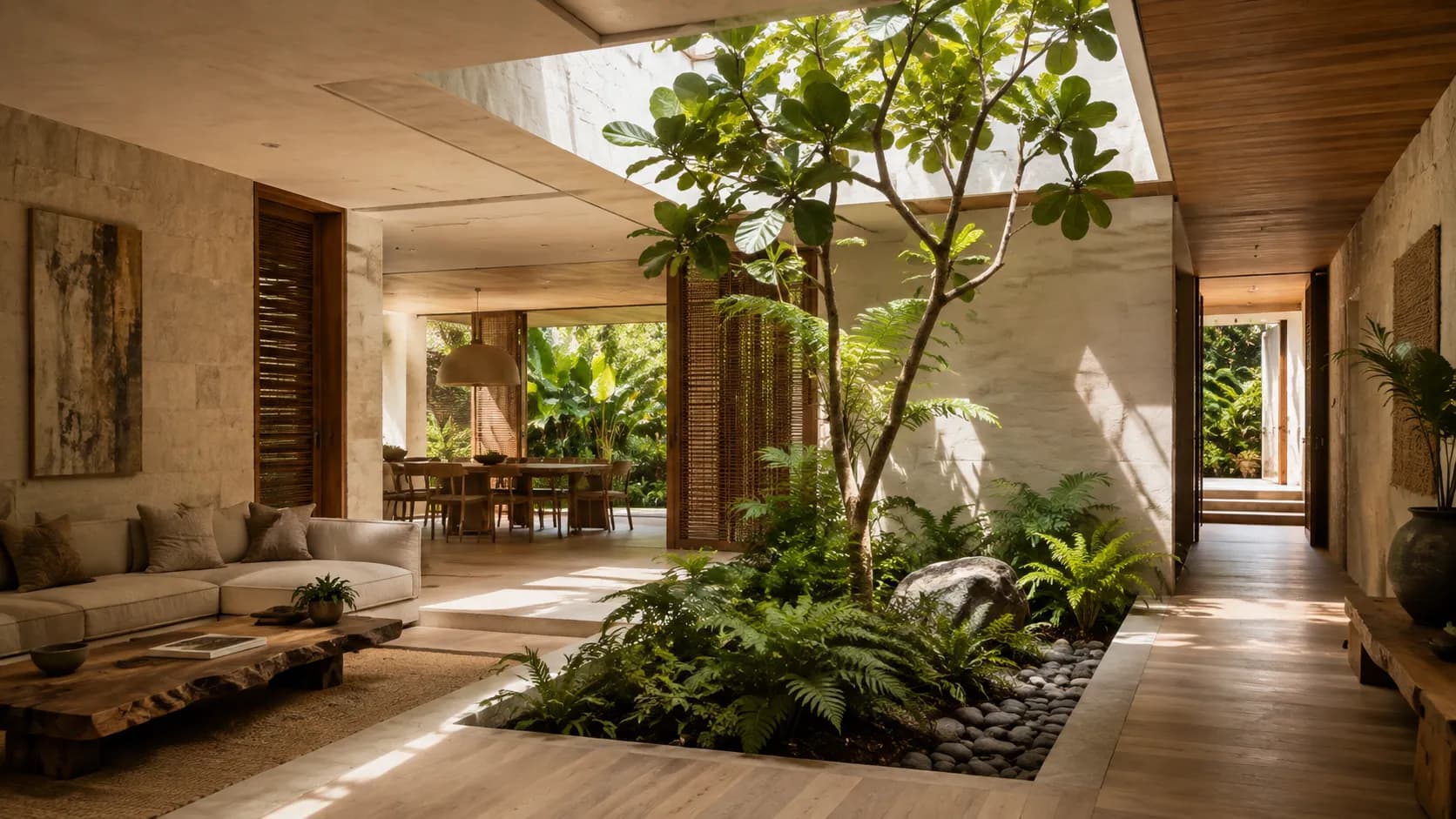
In the modern world, we often find ourselves disconnected from the natural environment. Our homes, while comfortable, can sometimes feel like a world apart from the green landscapes and fresh air we crave. This is where biophilic design comes in: a thoughtful approach to interior design that brings the outdoors in, creating a harmonious and healthy living space.
At Balay, we believe that a home should be a sanctuary, a place that nurtures your well-being and reflects a life of warmth and simplicity. By embracing biophilic design principles, you can transform your space into a calming retreat that feels genuinely connected to the world outside your window.
Here are 7 essential principles to get you started on your journey to a more natural home.
1. Maximize Natural Light
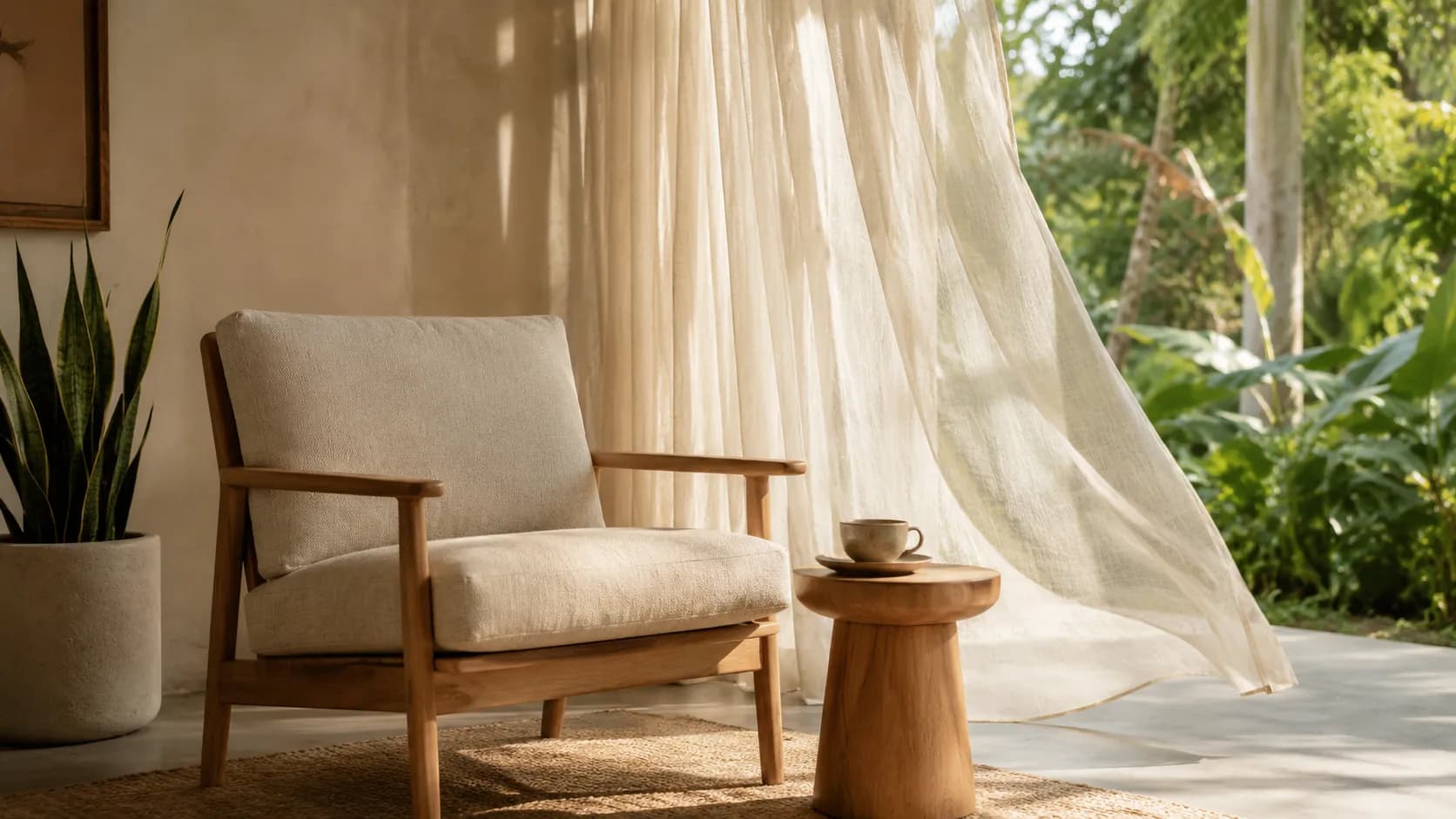
The most fundamental principle of biophilic design is the use of natural light. Large windows, skylights, and glass doors not only make a space feel more open and airy but also have a profound impact on our mood and energy levels. Position your furniture to take advantage of sunlit corners and use sheer curtains to filter light gently, creating a soft, welcoming glow.
2. Integrate Indoor Plants
This is the most obvious and delightful way to bring nature indoors. Choose a variety of indoor plants with different textures, shapes, and sizes. From a large, leafy fiddle-leaf fig in the corner of your living room to a cluster of small succulents on a windowsill, plants purify the air and add a vibrant, living element to any room.
3. Use Natural and Organic Materials
Swap out synthetic materials for those found in nature. Think bamboo flooring, wooden furniture, and stone countertops. Organic materials like wool, linen, and cotton are not only sustainable but also add a rich, tactile quality to your space. These choices create a sense of authenticity and timeless elegance.
4. Incorporate Water Elements
The sight and sound of water have a calming effect. A small indoor fountain, a simple water feature, or even an aquarium can create a serene atmosphere. The gentle trickling of water is a soothing sound that helps reduce stress and promotes relaxation.
5. Choose a Natural Color Palette
Inspired by the earth, sea, and sky, a natural color palette is key. Use shades of green, brown, blue, and sandy beige. These colors evoke a sense of calm and balance, creating a peaceful backdrop for your life. A green-themed living room can feel like a lush forest, while a soft blue bedroom can feel like a clear sky.
6. Embrace Natural Shapes and Forms
Avoid harsh, straight lines. Instead, opt for furniture and decor with curved edges and organic shapes. From a round coffee table to an asymmetrical vase, these forms mimic the gentle, flowing lines found in nature and make a space feel more comfortable and inviting.
7. Create a Visual Connection to the Outdoors
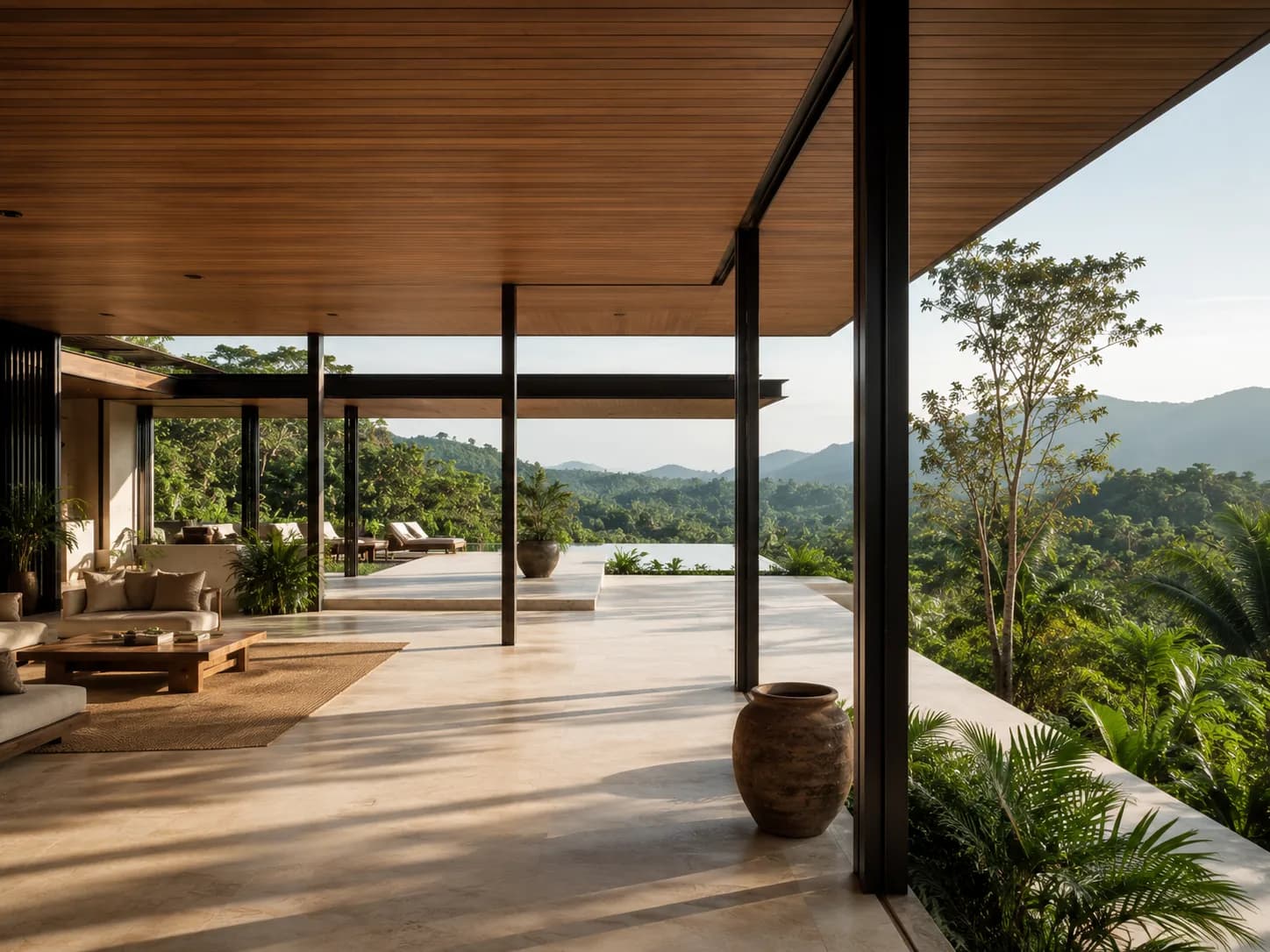
If you have a beautiful view, make it the focal point of the room. Arrange your furniture to face a window or door that looks out onto a garden or balcony. If your view is less than ideal, use mirrors to reflect the light and strategically place a large, framed nature photograph or painting to serve as a window to the outside world.
By following these biophilic design principles, you can turn your house into a haven that is not only beautiful but also deeply connected to nature: a home that feels alive.

Author
Elena Rivers
Interior & Landscape Director at Balay
Advising clients and developers on sustainable biophilic living, tropical materiality, and building homes that nurture well-being.